


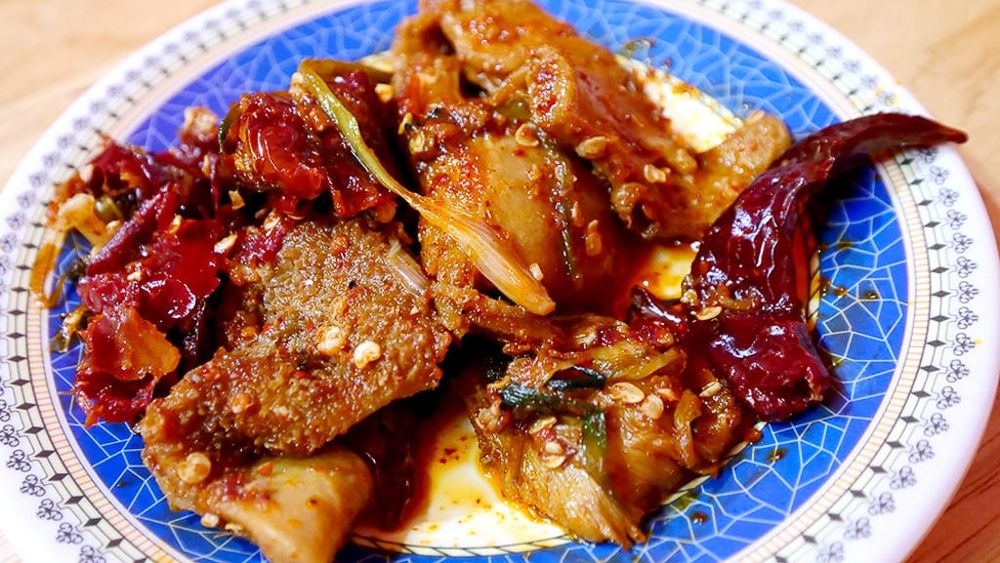
Thinley first understood winter in Bhutan not from the cold, but from the sound of meat being prepared. It happened quietly, long before the snow arrived.
In their home, autumn was never just a season. It was work. It was preparation.
Strips of pork were hung near the kitchen beams, slowly drying above the wood stove. At first, he thought they were forgotten. But no one ever moved them. No one ever rushed them.
“They will be needed later,” came the simple explanation.
No more than that.
One afternoon, he was called to the kitchen floor. A pot was already heating.
There was no lesson announced. Only ingredients placed one by one beside the stove — pork, dried chilies, garlic, and radish pulled from the storage basket.
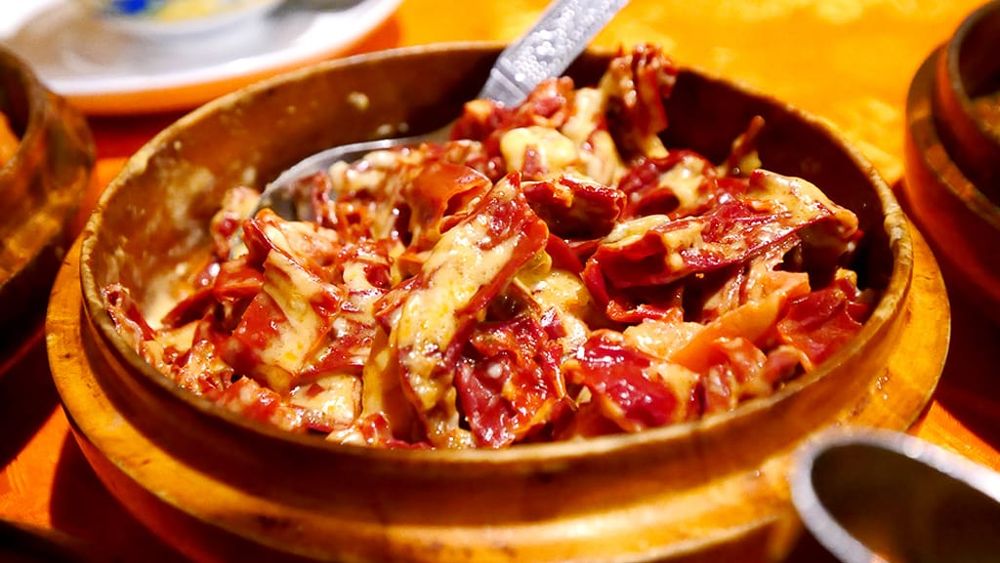
“This is phaksha paa,” his ama said.
His ashim sat near the fire, as he usually did, watching the flames without much expression. He rarely spoke during cooking, but his presence always made the kitchen feel steady.
His younger brother, Nuchu, was the opposite. He kept circling the kitchen, peeking into the pot every few minutes. “How long until it’s ready?” he asked more than once, already hungry before anything had even changed color.
Ingredients for Phaksha Paa
- 300–500g pork, sliced
- 2–3 dried red chilies (soaked if preferred)
- 1 small radish, sliced
- 3–4 cloves garlic, crushed
- 1–2 tablespoons oil
- Salt to taste
- Water as needed
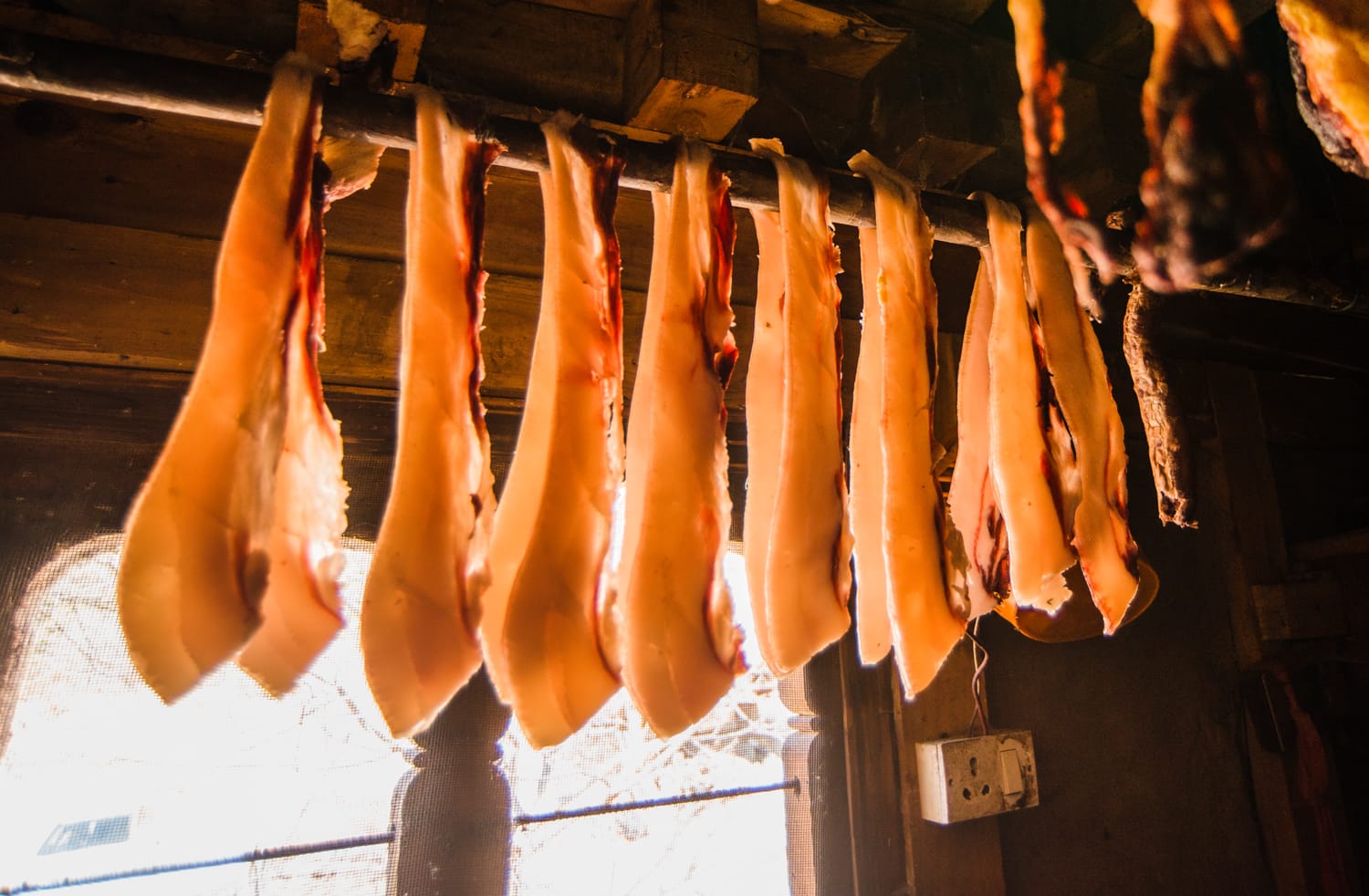
In their kitchen, meat was never rushed. Even when fresh, it carried the memory of how it was preserved, dried, and saved for colder days.
The oil hit the pan first, followed by garlic. The smell rose quickly, filling the kitchen in a way that felt heavier than food — something closer to memory.
Then the pork went in. It changed slowly, tightening before softening again, absorbing heat the way winter absorbs everything in the valley.
Dried chilies followed, releasing a sharpness that cut through the warmth of the stove. Radish came last, grounding everything with its quiet sweetness.
There was no hurry in the cooking.
Only waiting.
Only stirring.
Only fire doing its work.
Thinley watched the pot while his ama moved around the kitchen without rushing, his ashim staying close to the stove in silence, and Nuchu still asking when they could finally eat.
Phaksha paa was not a dish made for attention. It did not arrive at the table with ceremony. It arrived because it was needed.
In Bhutan, food was often shaped by preservation. Nothing was wasted. Nothing was separate from the season it came from.
Pork was dried not for taste alone, but for survival through months when the land offered less and the cold stayed longer than expected.
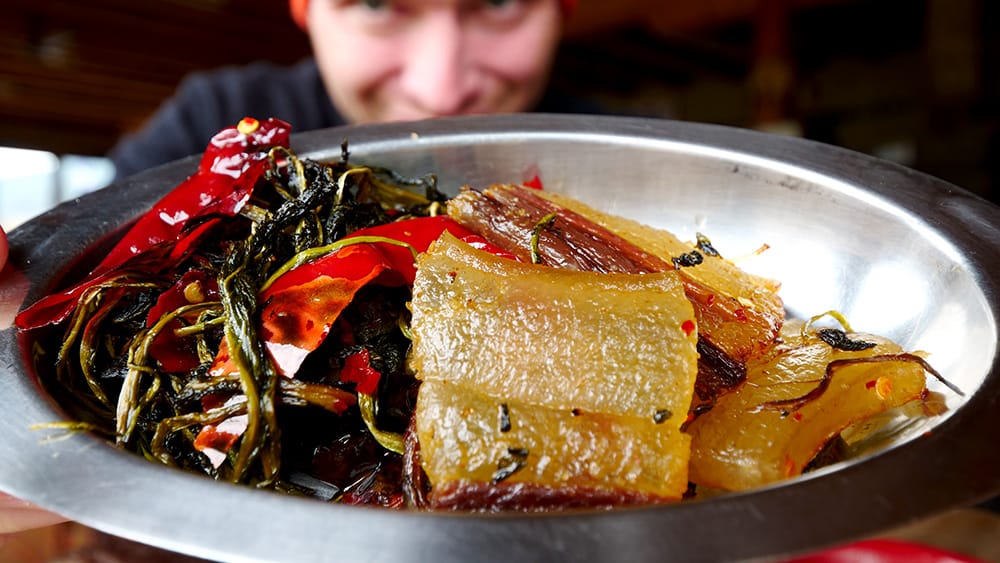
When the dish was finally ready, it was placed in a simple bowl and brought to the table where they usually ate together at night.
No decoration. No explanation.
Thinley took his first bite.
It was warm in a different way than tea or rice. Deeper. Heavier. The kind of warmth that stayed even after the plate was empty.
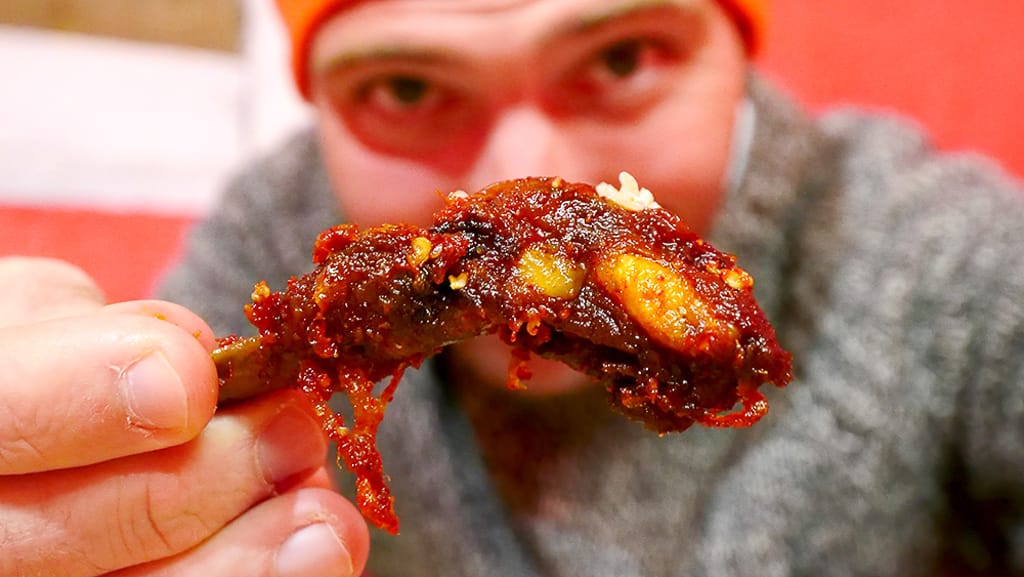
The chili came first, then the pork, then the slow sweetness of radish underneath everything.
It did not try to impress.
It only stayed.
That night, they ate quietly together — his ama, his ashim, Nuchu finally satisfied and eating faster than anyone else — as the wind moved outside and the kitchen stayed warm from the same fire that had cooked their meal.
Phaksha paa was often eaten with red rice, simple and steady, the kind of meal that did not ask for anything extra.
In many homes, it was shared without conversation. Not because there was nothing to say, but because the food itself already carried enough.
Years later, Thinley understood why no one explained it properly when he was young.
Some foods are not taught. They are inherited through repetition.
Through winters. Through kitchens that never stop smelling like fire and chili.
And through meals that return again and again, not because they are special, but because they are necessary.
Phaksha paa was not just pork cooked with chilies. It was how winter was prepared for, quietly and without excess.
About MyBhutan | Luxury Travel & Private Journeys in Bhutan
MyBhutan is a boutique luxury travel house specializing in private journeys across Bhutan. We curate bespoke Bhutan experiences for discerning travelers seeking rare access, cultural depth, and refined Himalayan hospitality.
From sacred monasteries to our exclusive hidden Sangwa Camps, each journey is shaped through personal consultation and long-standing local relationships — offering access beyond conventional Bhutan tour experiences.
With MyBhutan, luxury in Bhutan is defined by discretion, authenticity, and meaningful connection.
Photography by David Hoffmann | Matthew DeSantis
All photographs taken while on assignment with MyBhutan