

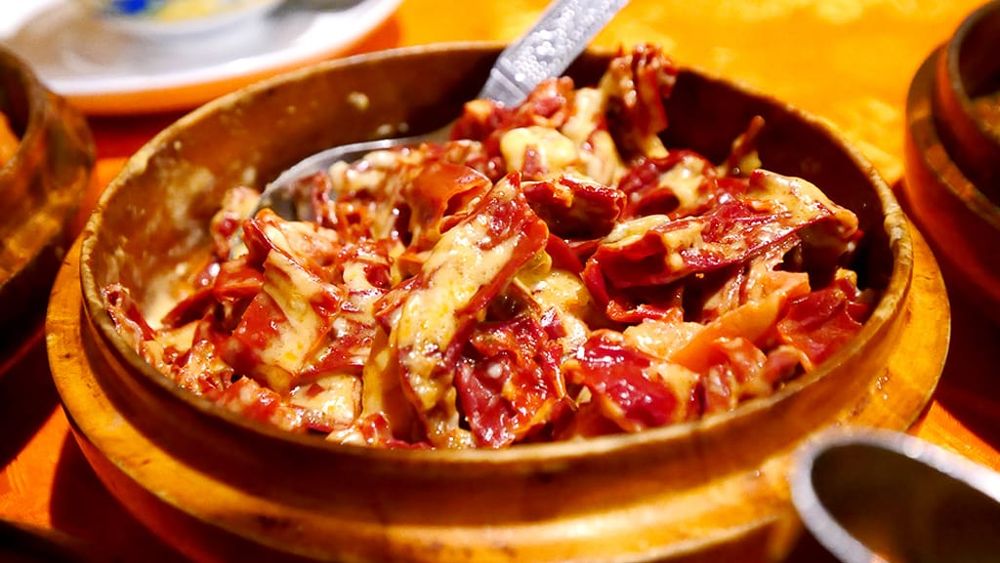
Pema grew up in a small valley where mornings smelled of woodsmoke and damp earth. In her family’s kitchen, the walls were darkened by years of fire, and the only window let in a thin blade of Himalayan light. That kitchen is where she first understood that Bhutanese cooking is simple — but never small.
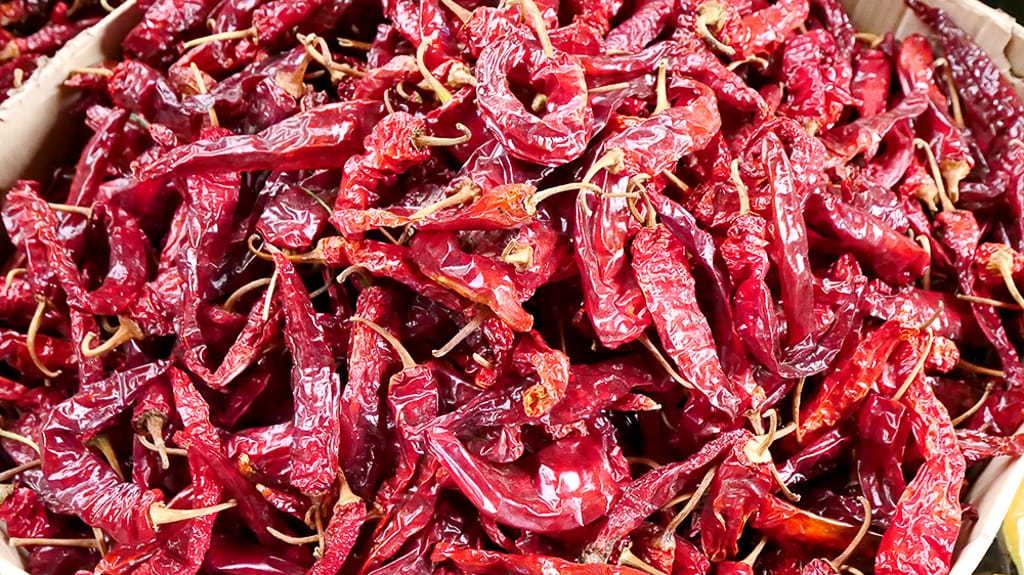
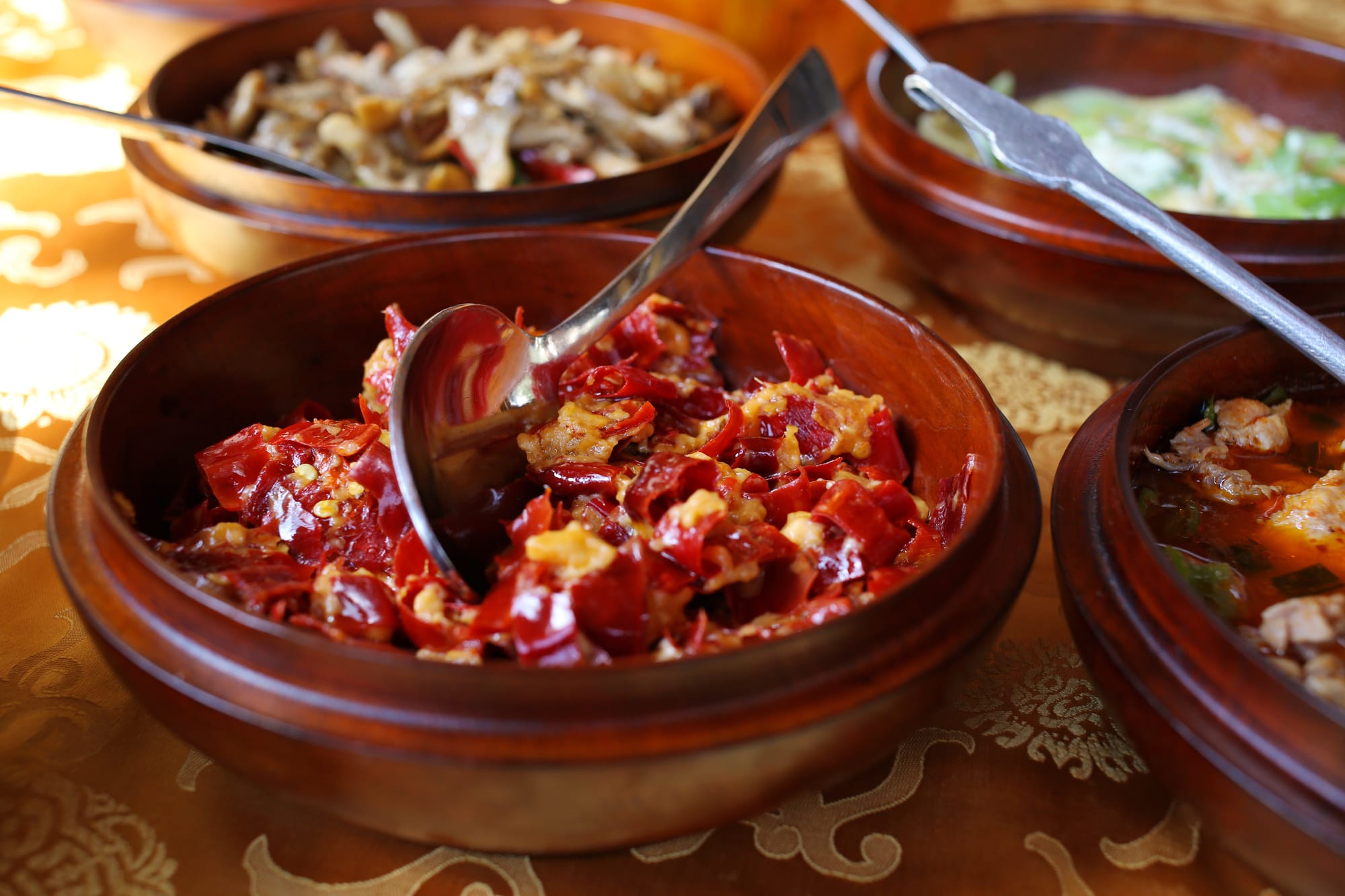
Outside the house, another quiet preparation was always underway. Red chilies — ema — were spread across rooftops, stone walls, and woven mats to dry in the high mountain sun. For weeks in autumn, valleys across Bhutan turn crimson as families lay out their harvest. The dry air and strong Himalayan light slowly pull the moisture from each chili, concentrating its heat and flavor. By winter, the once-bright pods become deep, wrinkled reds — ready to be stored, simmered, and transformed into the dish that anchors nearly every Bhutanese table.
One afternoon, when Pema was old enough to cook on her own, her ama did something unusual. Instead of telling her to “just watch,” she spoke the recipe out loud — slowly — as if dictating a cookbook.
She even made Pema repeat it.
Because the dish she was learning was ema datshi — the national dish of Bhutan and one of the most beloved foods in Bhutanese cuisine.
Ingredients for Ema Datshi
- 10–12 fresh green chilies (or dried red chilies, ema kham, soaked 10–15 minutes)
- 1–2 cups water
- ¾ cup Bhutanese datshi cheese, broken into chunks
- 1–2 tablespoons oil or butter Salt to taste
- Optional: 1–2 teaspoons butter for extra richness
“Now you see?” her ama smiled. “Nothing fancy. Just respect the balance.”
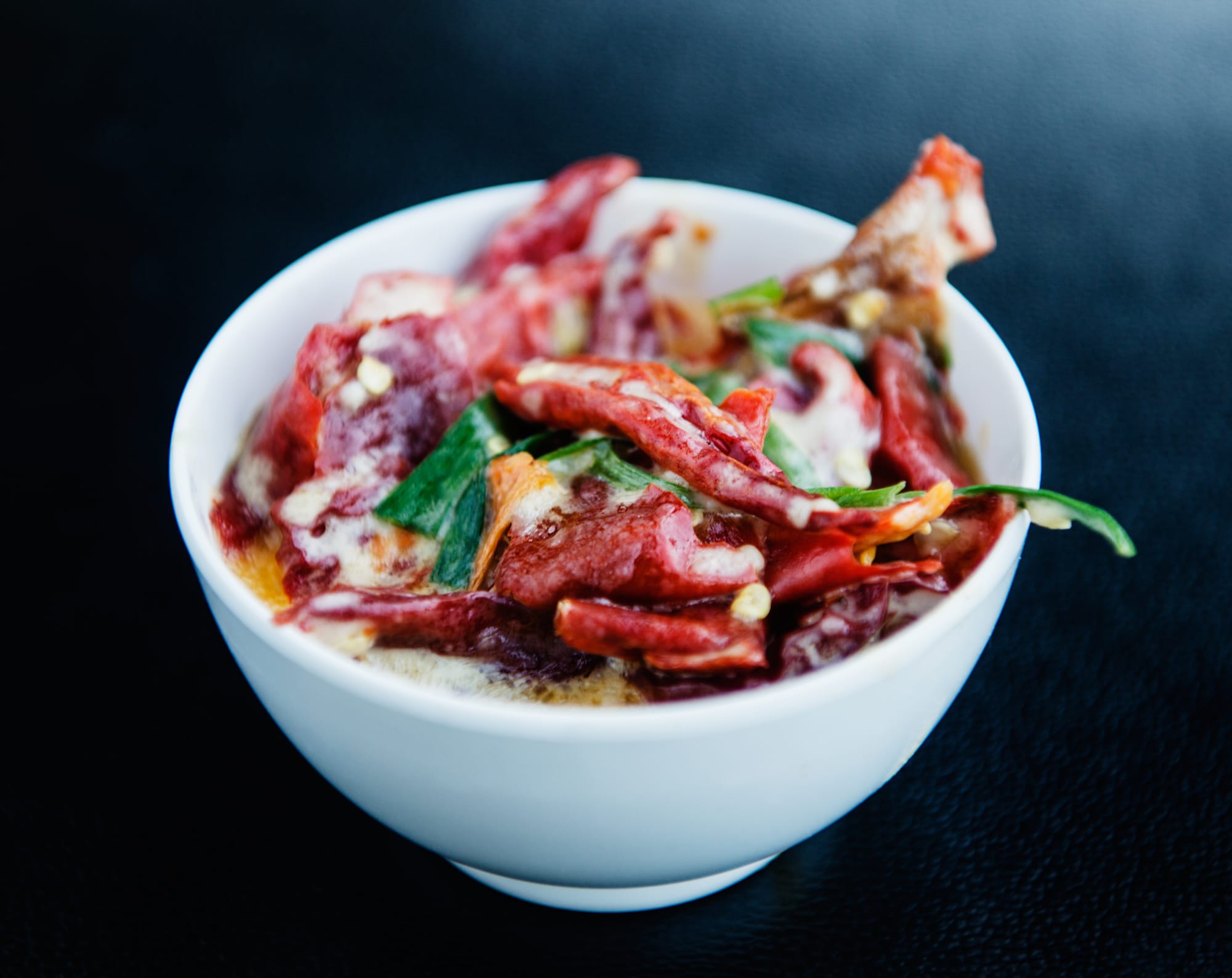
Pema washed the chilies and sliced them lengthwise. She left most of the seeds — as her ama always did — because in Bhutan, chilies are not spice.
They are the vegetable.
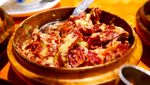
She placed them into a pot with water, added a spoonful of butter and a pinch of salt, and let them simmer gently. The chilies softened but did not collapse. The kitchen filled with that familiar sharp, grassy scent that stung the nose before it ever touched the tongue.
Then came the datshi — broken by hand, never cut. She dropped the uneven chunks into the pot and watched as they slowly loosened, melting into the simmering water. The sauce thickened into something creamy but not perfectly smooth.
Ema datshi is never polished. It is rustic, honest — a humble dish that has long been at the center of Bhutanese food culture.
At the very end, she added a small knob of butter, just as her ama did when guests were coming.
Beside her, Bhutanese red rice — the traditional rice served with ema datshi across Bhutan — steamed, grown on terraces below their house. Its nutty aroma mixed with the chilies and cheese, filling the room with the scent of home.
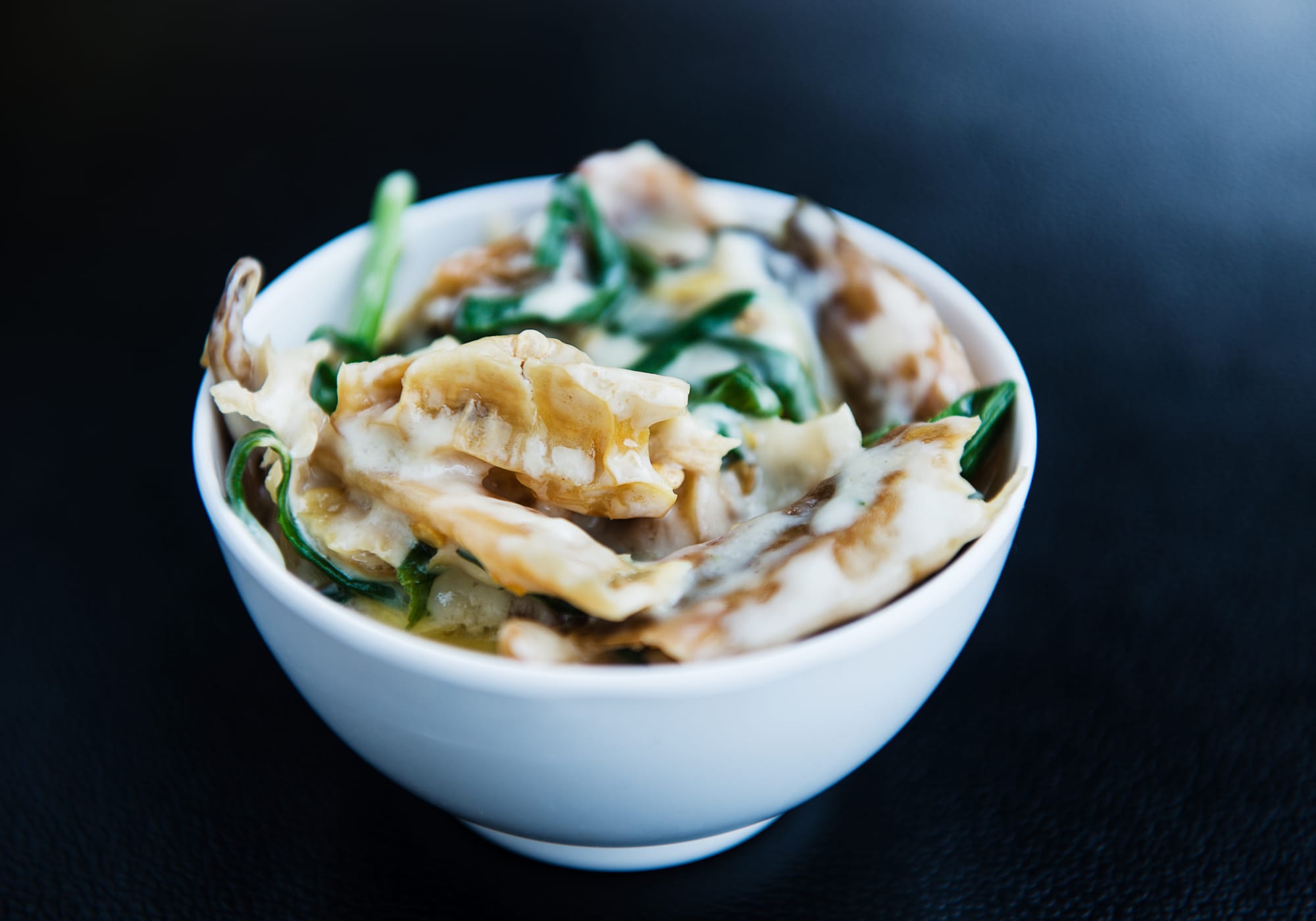
When Pema took her first bite of the dish she had made herself, the creaminess came first. Then, slowly, the warmth bloomed. Not sharp. Not overwhelming. Just steady and growing. Her lips tingled. Her cheeks warmed. She smiled.
Outside, chilies were drying on rooftops — bright red against the mountain sky. In winter, those dried ema kham would be soaked and cooked the same way. The flavor would deepen then, smokier and more intense.
Fresh or dried — both were Bhutan.
In homes throughout Bhutan, dishes like ema datshi simmer quietly in small kitchens much like Pema’s — simple ingredients becoming one of the most recognizable foods in Bhutanese cuisine.
As she grew older and traveled beyond her valley, people would ask her for the recipe. She would list the ingredients clearly, just as her ama had done.
But she would always add one more line — something no cookbook writes:
Cook slowly. Sit close. Eat together.
Because ema datshi is more than Bhutan’s famous chili-and-cheese dish.
It is memory, endurance, and the quiet fire of Bhutan in a bowl.
About MyBhutan | Luxury Travel & Private Journeys in Bhutan
MyBhutan is a boutique luxury travel house specializing in private journeys across Bhutan. We curate bespoke Bhutan experiences for discerning travelers seeking rare access, cultural depth, and refined Himalayan hospitality.
From sacred monasteries to our exclusive hidden Sangwa Camps, each journey is shaped through personal consultation and long-standing local relationships — offering access beyond conventional Bhutan tour experiences.
With MyBhutan, luxury in Bhutan is defined by discretion, authenticity, and meaningful connection.
Photography by Sarah Keayes | David Hoffmann | Glen Thomson | Matthew DeSantis
All photographs taken while on assignment with MyBhutan