




Not to See, but to Enter
Bhutan does not reveal itself all at once. It waits. It waits in the soft turn of a prayer wheel before sunrise. In the hush between a mountain breeze and the distant toll of a temple bell. In spaces where silence is not absence — but presence.
When you visit these places, we encourage you to enter into them, slowly. What follows are not attractions. They are thresholds. Step lightly. Listen. Feel.
1. Buddha Dordenma
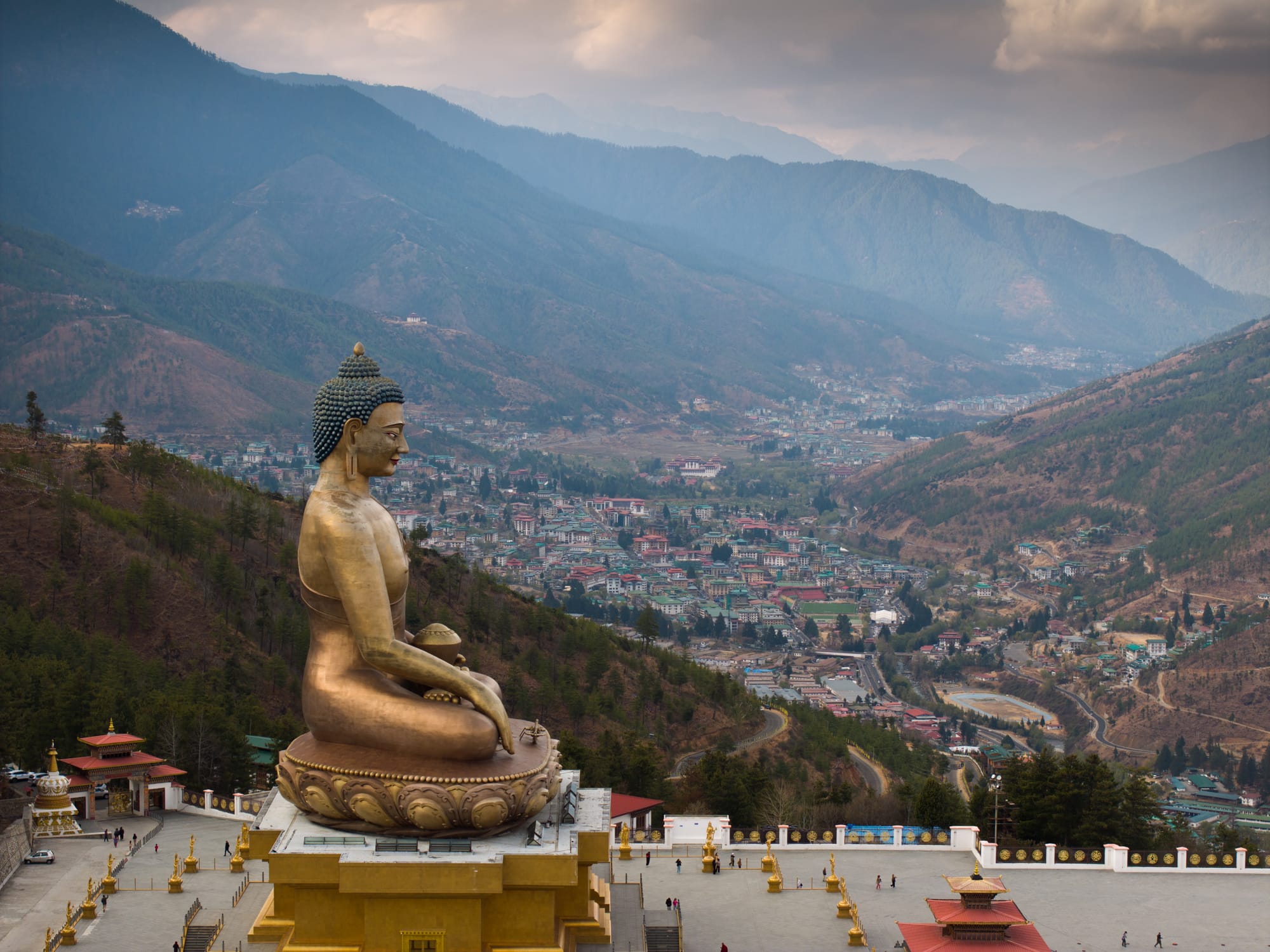
Rising 51.5 meters above the Kuensel Phodrang ridge, Buddha Dordenma watches over Thimphu Valley with serene authority. Inside its bronze body rest over 100,000 smaller statues, each placed with devotion and care.
From this quiet height, the city below seems softened, distant. The Buddha does not command attention; it steadies the valley. Stand here and feel stillness wrap around you — calm, presence, and reverence filling the air.
2. Memorial Chorten
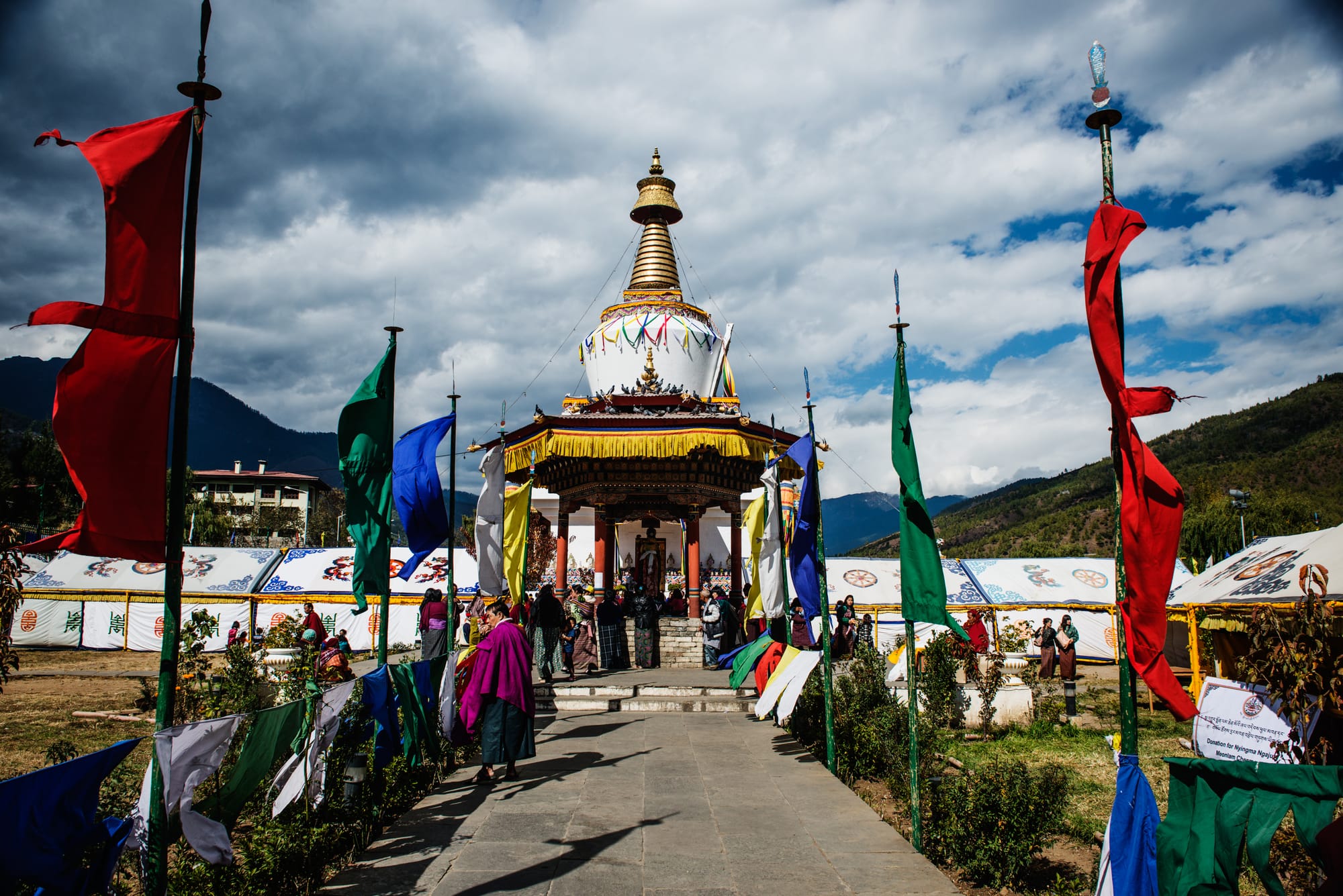
At first light, the Memorial Chorten awakens quietly. Elders walk in gentle circles, fingers turning prayer wheels, lips whispering mantras into the crisp mountain air.
Built in memory of the Third King, Jigme Dorji Wangchuck, this whitewashed stupa is at the heart of daily spiritual life in Thimphu Valley. Here, Vajrayana Buddhism is not observed — it is experienced, moment by moment, step by step.
3. Motithang Takin Preserve
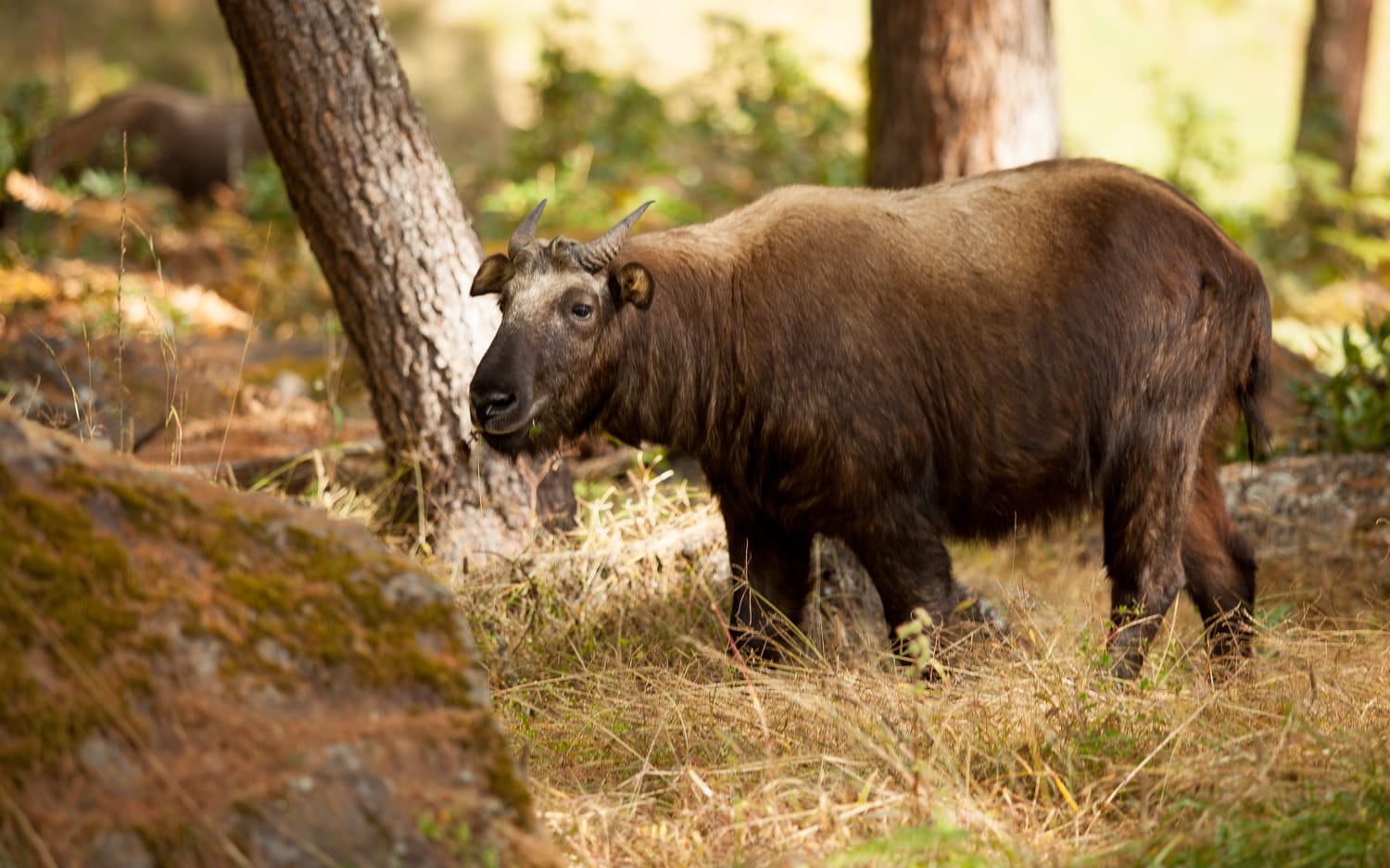
The takin, Bhutan’s national animal (Budorcas taxicolor), moves slowly among pine trees, part goat, part cow — entirely mythical in presence.
Royal decree once released them into the preserve; yet they lingered, embodying Bhutan’s respect for what is unusual. Watching them, you sense a land where uniqueness is protected, life unfolds at its own pace, and the improbable feels perfectly natural.
4. Paro Taktsang
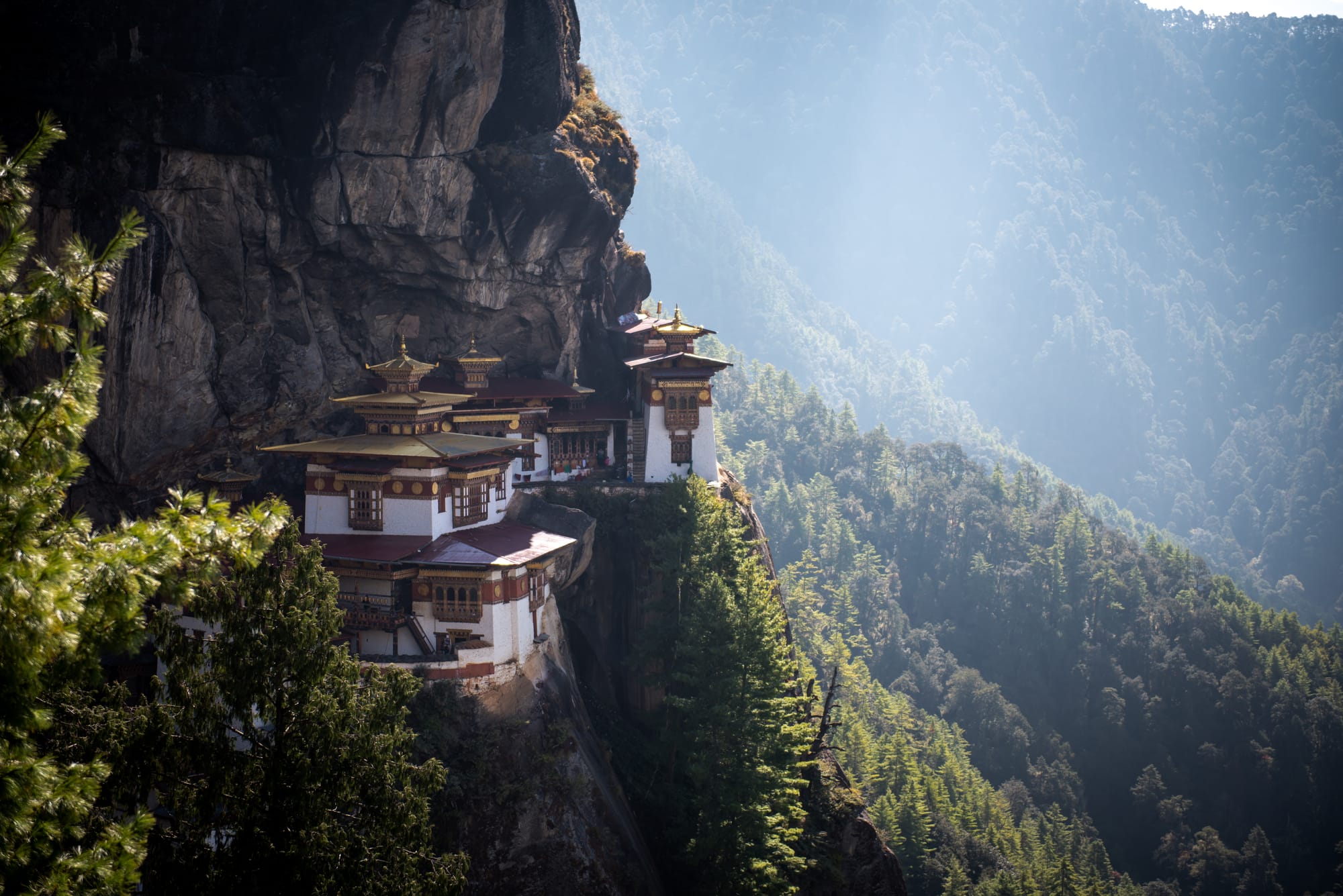
Suspended 900 meters above Paro Valley, the Tiger’s Nest Monastery clings to cliffs like a jewel in the mist. Guru Rinpoche is said to have meditated here in the 8th century, arriving on the back of a flying tigress and consecrating the cave as sacred.
The climb challenges breath and body, but arrival brings humility, not triumph. Every stone, every prayer flag, every whispering breeze carries centuries of devotion. The valley below listens quietly.
5. Rinpung Dzong
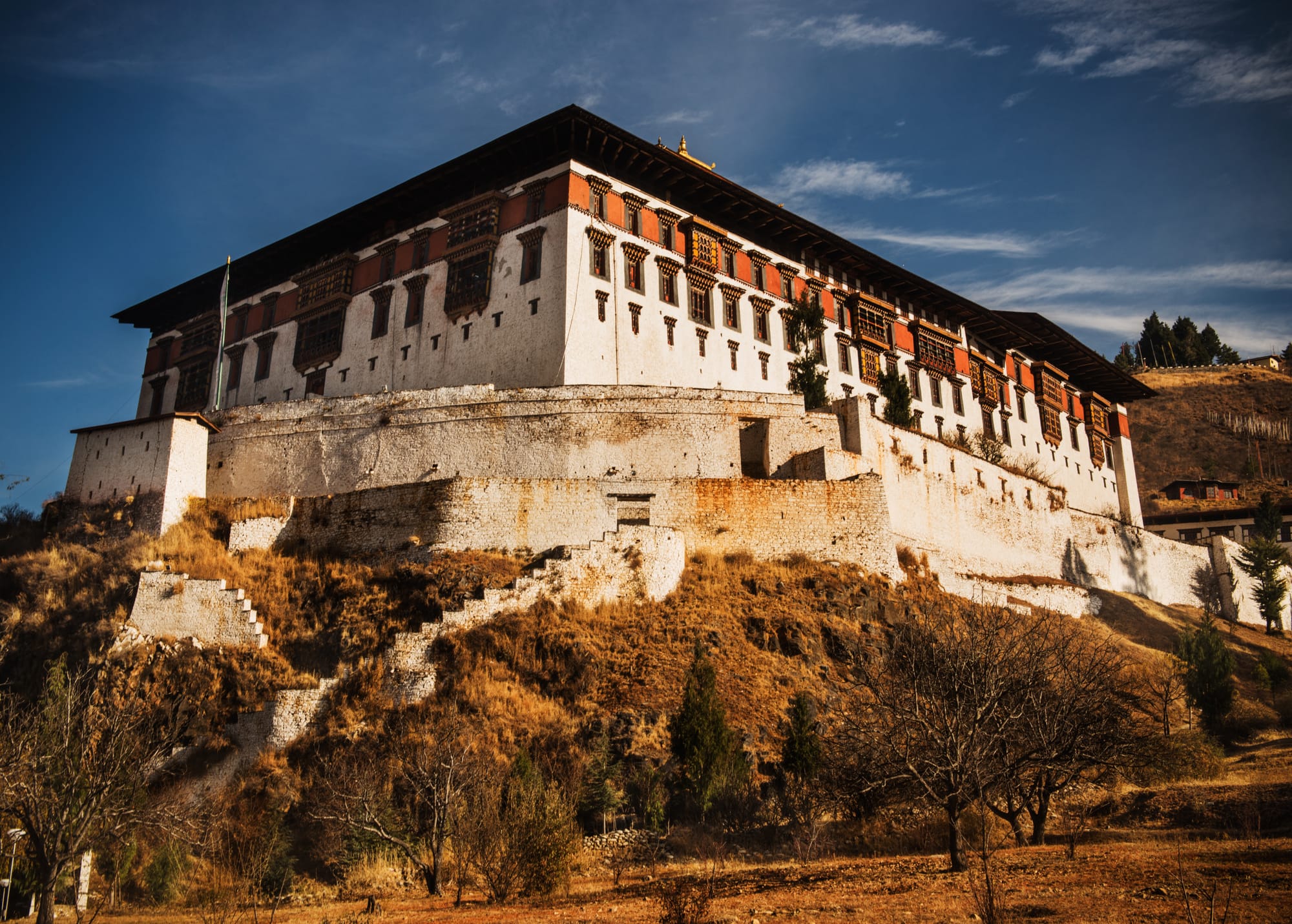
Rising above Paro Valley, Rinpung Dzong is a fortress and monastery entwined. Built in 1644 by Zhabdrung Ngawang Namgyal, it once defended against Tibetan incursions while nurturing monastic life.
Today, monks chant in sunlit courtyards; officials pass through shadowed corridors. Walls that were once guarded now hold centuries of culture, faith, and quiet continuity. Past and present coexist naturally here.
6. Punakha Dzong
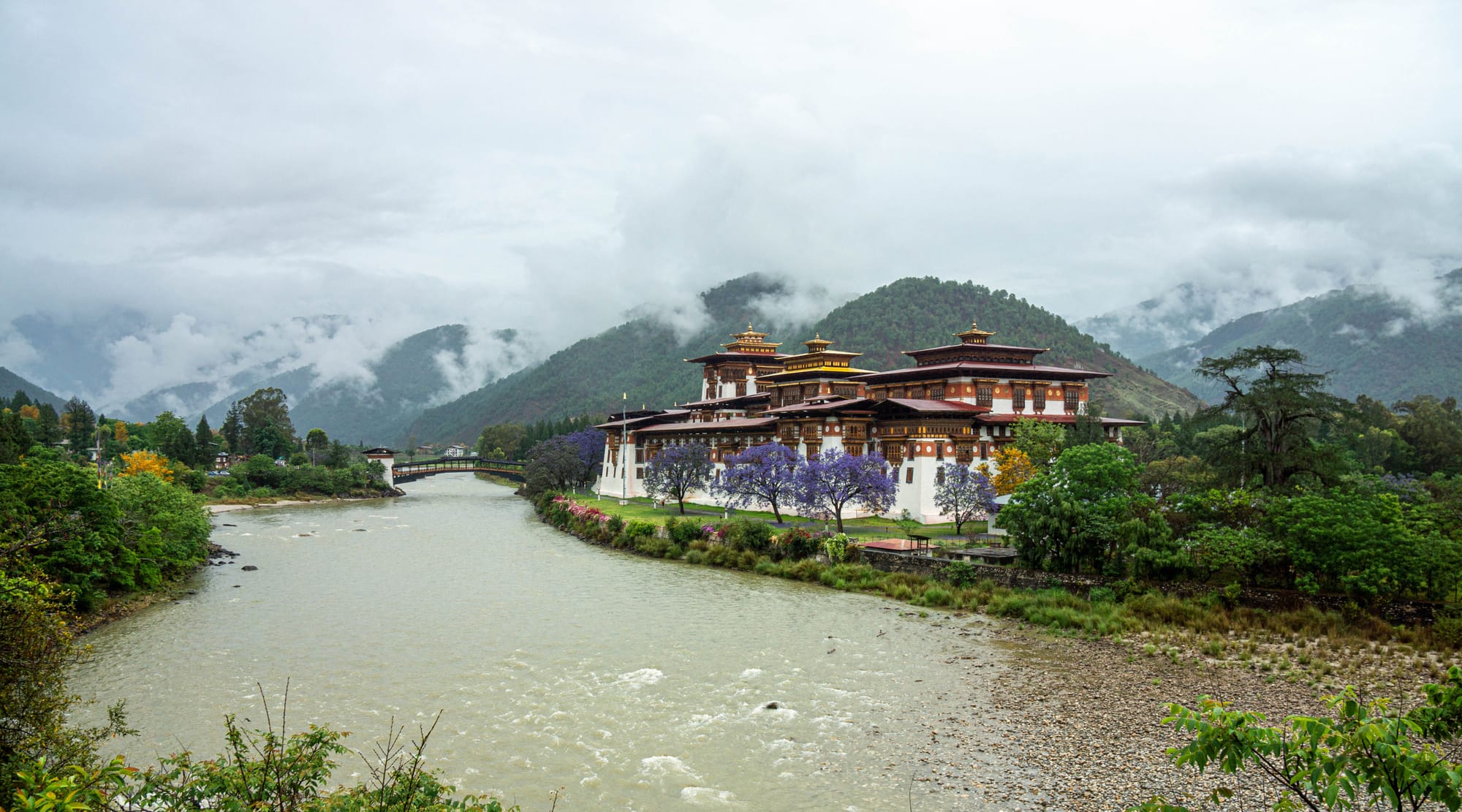
At the confluence of Pho Chhu (Male River) and Mo Chhu (Female River), Punakha Dzong radiates balance and harmony. Jacaranda blooms scatter violet petals across whitewashed walls; rivers rise and fall; monks follow the rhythm of the seasons.
Built in 1637, it was Bhutan’s capital until 1955 and continues as winter residence of the Central Monastic Body. Here, governance, devotion, and the land itself move together in quiet unity.
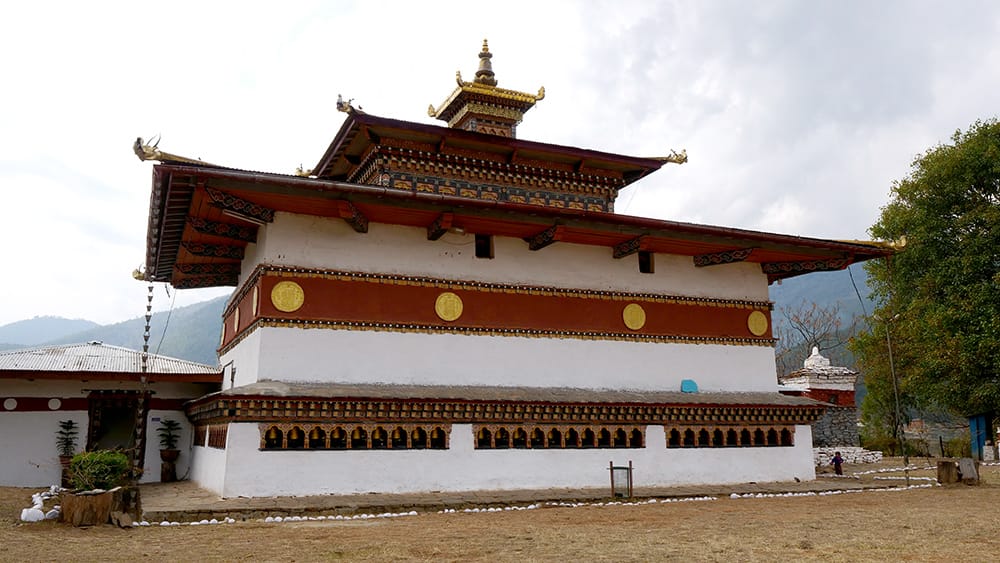
7. Chimi Lhakhang
Amid rice paddies, Chimi Lhakhang honors the Divine Madman, Drukpa Kunley. Symbols of fertility adorn the temple, blending protection and devotion with everyday life.
Couples come seeking blessings, many returning with gratitude. Sacredness does not withdraw here — it enters life quietly, along the paths of Punakha Valley, in whispered prayers and gentle laughter.
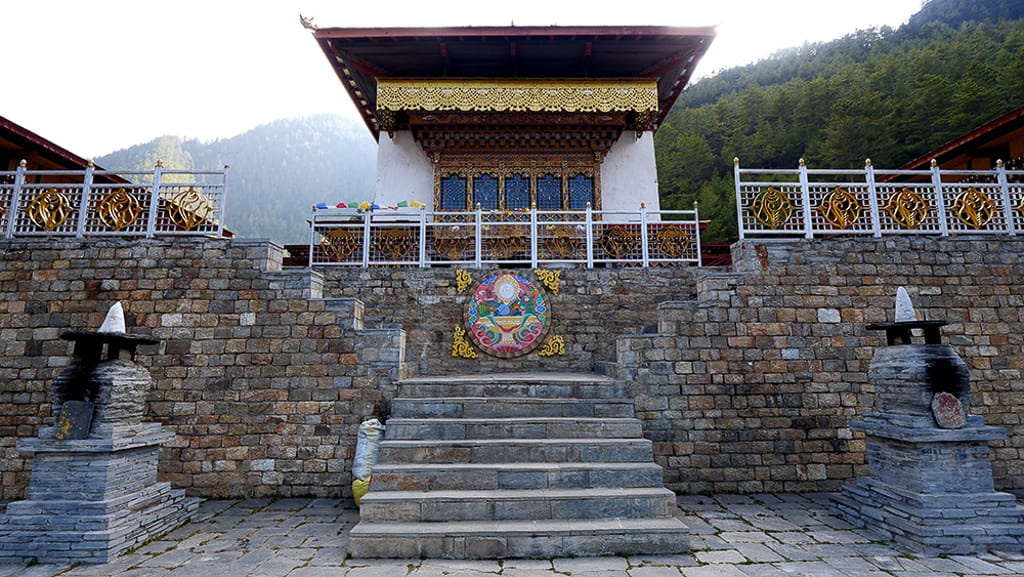
- Karpo Lhakhang
Tucked in Haa Valley, Karpo Lhakhang (White Monastery) has stood for centuries, connecting the region to the early spread of Buddhism in western Bhutan. Whitewashed walls catch the morning light, while prayer flags flutter above terraced fields.
Monks chant softly, incense drifts through sunlit halls, and villagers pass by, pausing to offer prayers or light butter lamps. The monastery reflects the enduring rhythms of faith, community, and local tradition that shape daily life in Haa.
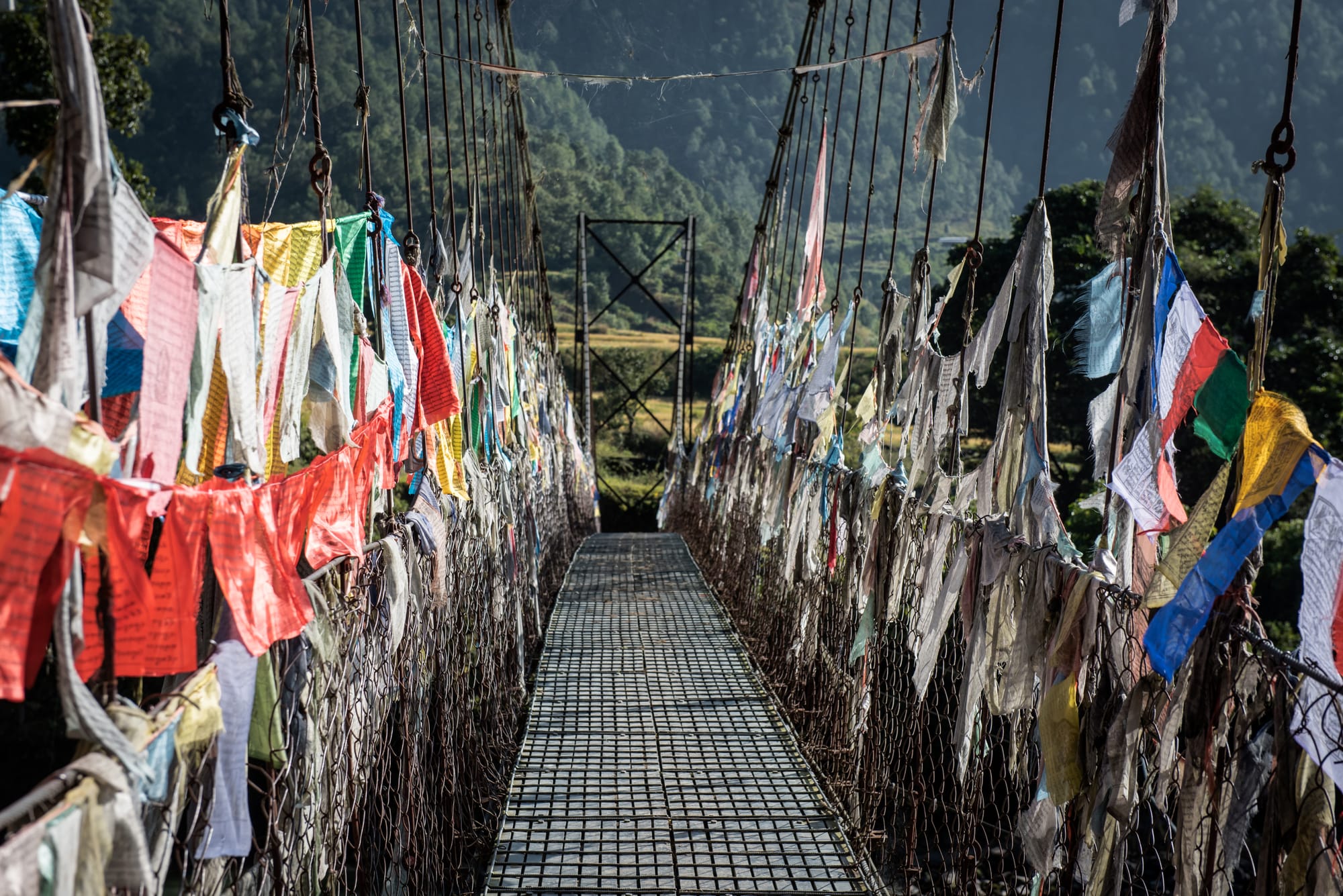
9. Bhutan's Longest Suspension Bridge
Prayer flags line the bridge, worn by wind and weather — offerings, not decoration. Farmers, monks, and children cross daily, carrying work, devotion, and life itself.
The bridge does not stand as a monument. It carries the heartbeat of Punakha Valley, gently moving with rhythm, movement, and quiet exchanges of daily life.
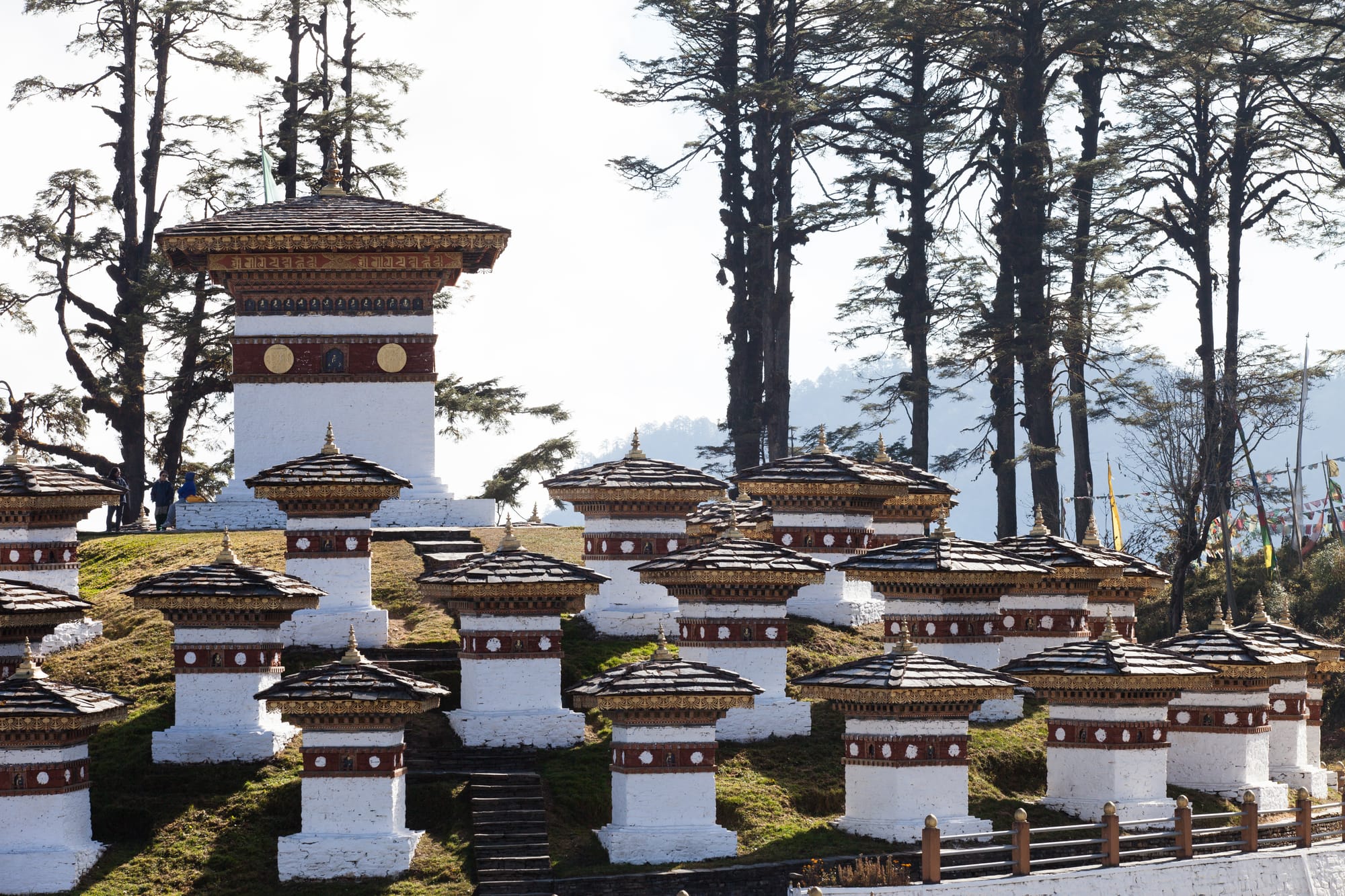
10. Dochula Chortens
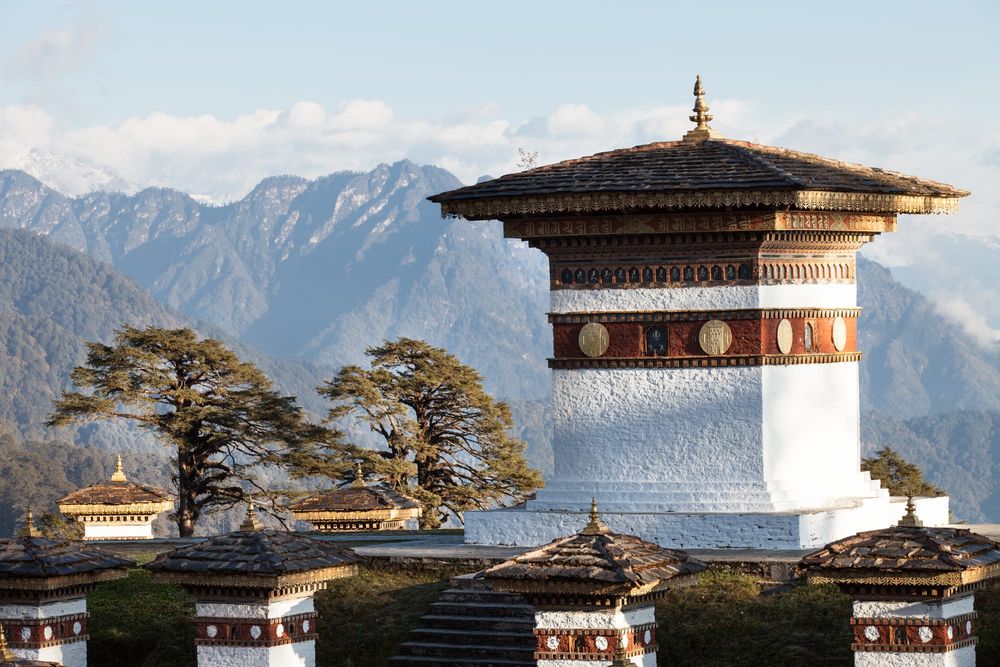
At 3,100 meters, 108 chortens mark Dochula Pass, built to honor fallen Bhutanese soldiers. Snow-capped peaks of the Eastern Himalayas rise beyond the ridge on clear days, vanish in mist on others.
Here, landscape and memory converge. Every glance reminds visitors of Bhutan’s past, resilience, and enduring beauty. Presence is felt in the air, the mountains, and the silence around you.
About MyBhutan | Luxury Travel & Private Journeys in Bhutan
MyBhutan is a boutique luxury travel house specializing in private journeys across Bhutan. We curate bespoke Bhutan experiences for discerning travelers seeking rare access, cultural depth, and refined Himalayan hospitality.
From sacred monasteries to our exclusive hidden Sangwa Camps, each journey is shaped through personal consultation and long-standing local relationships — offering access beyond conventional Bhutan tour experiences.
With MyBhutan, Bhutanese luxury is homemade and handmade — defined by discretion, authenticity, and meaningful connection.
Photography by Vincent Roazzi Jr | Daniel Kordan | Glen Thomson | Matthew DeSantis | Michael Marquand | David Hoffmann
All photographs taken while on assignment with MyBhutan